



Is functional training the best and only effective way to train? Well, it depends on the coach and the client, on their knowledge and, after all, also on their attitude.
Some time ago, most people associated fitness training with a low bodyfat percentage, a lot of muscle and an athletic physique, plus a strict nutrition regimen and, of course, very often also with training involving gym machines (and exercises that isolated certain muscle groups).
A few years ago, the fitness industry finally recognized that training has more useful benefits; and, over time, they adopted the philosophy used by professional athletes for decades, functional training. It is a way of training where the sole objective is to make the body more functional and injury-resistant, whether for daily life or to improve performance in a sport at a higher level.
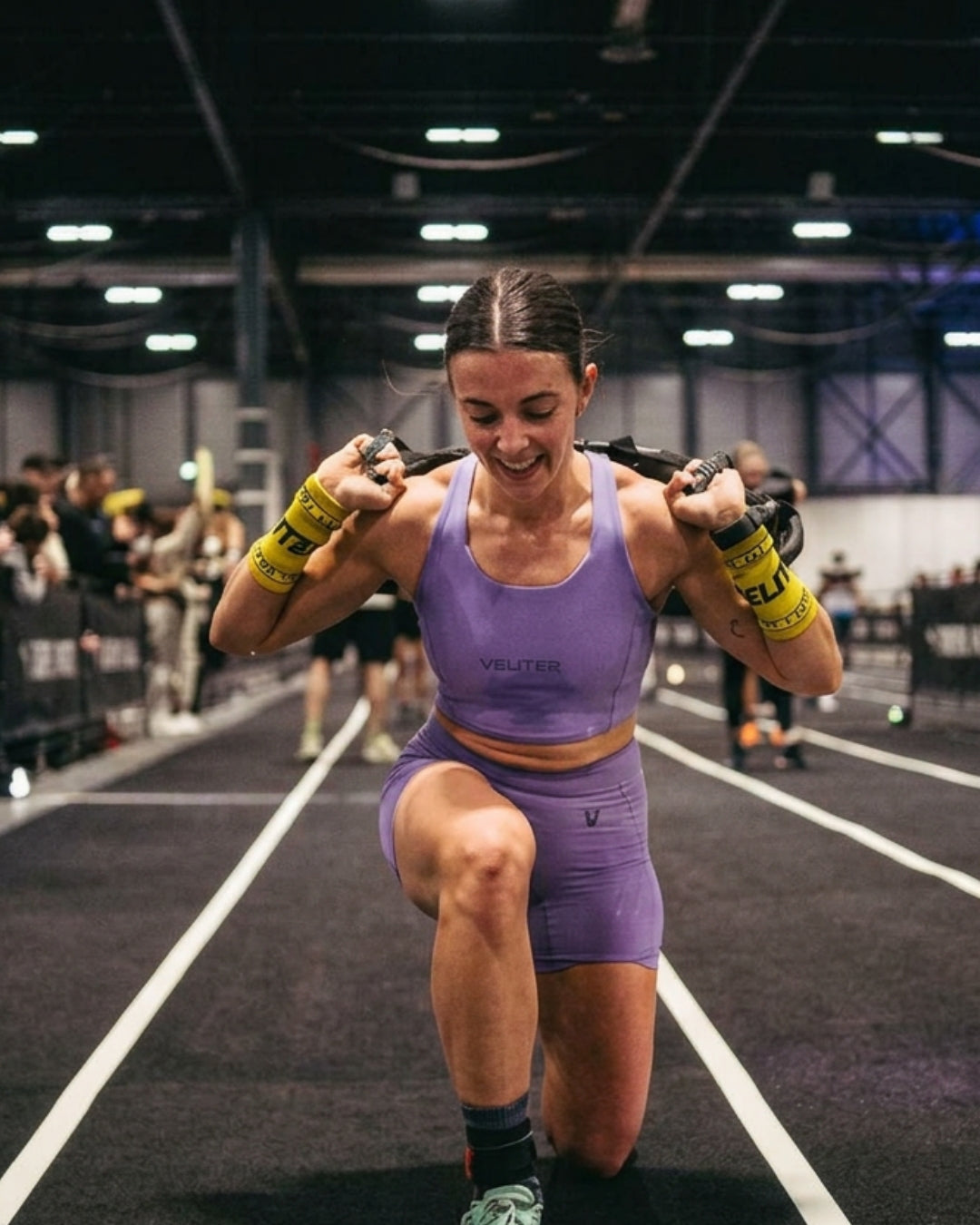
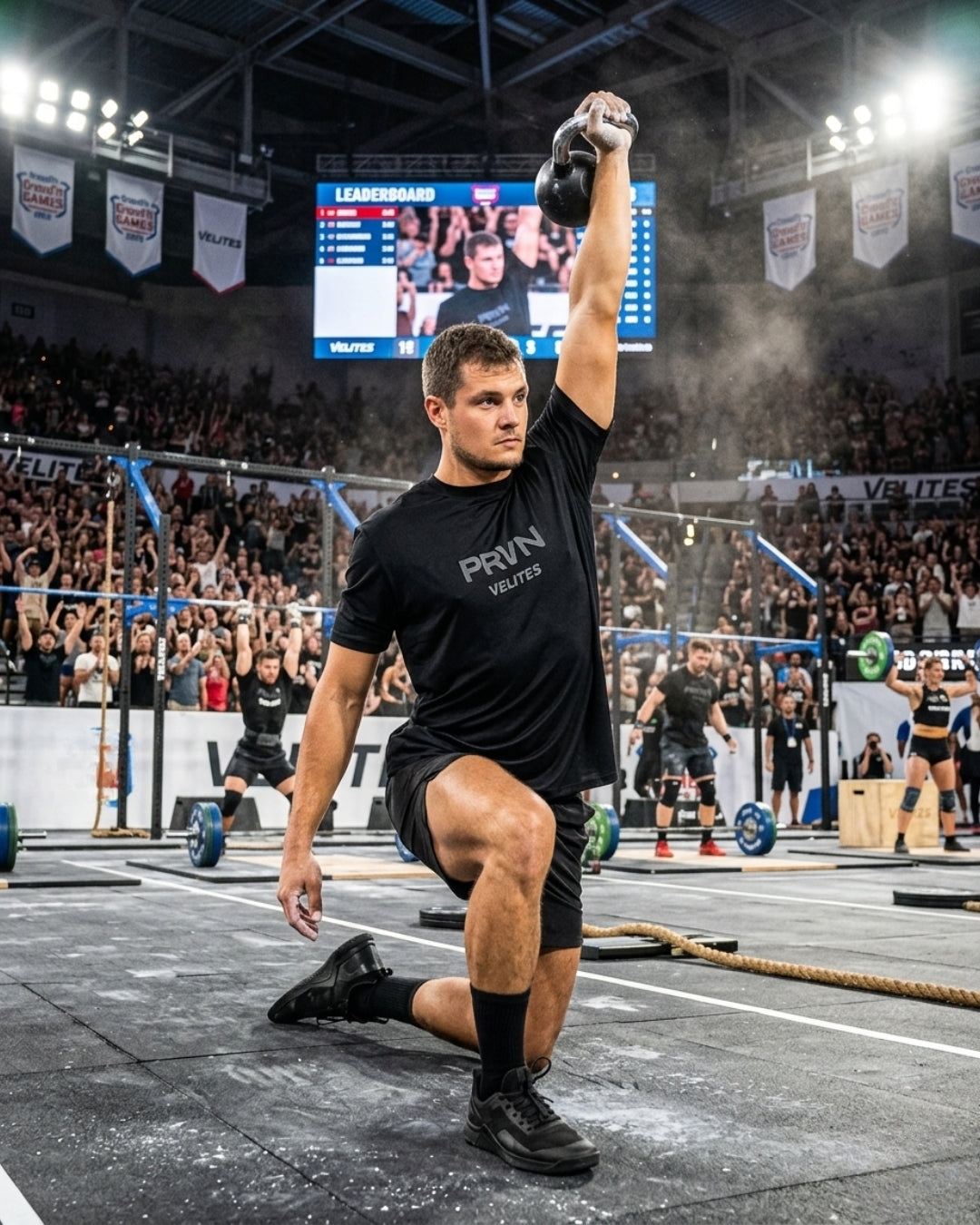
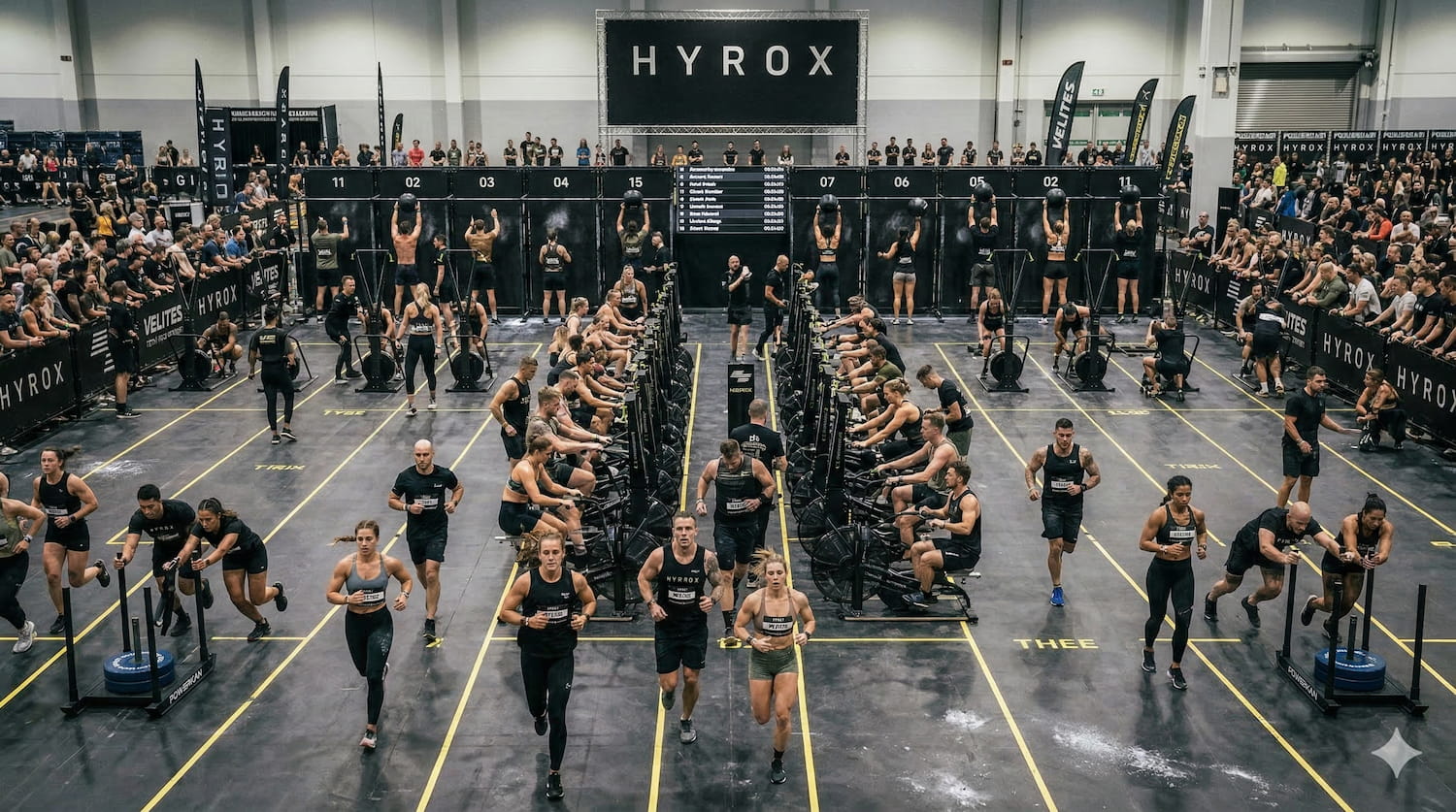
New trends were born this way; training regimens such as CrossFit, Hyrox, functional fitness and others. Many experts began to say this is the best way to train, but... is it?
Below we will describe everything you need to know about functional training to answer some questions that may arise, such as:
- What functional training is and how it began
- Who trains with these types of routines and functional exercises
- Pros and cons of Functional Training
- Terminology of functional exercise routines
- Examples of functional workouts
- How to start practicing this type of training
We also offer you plenty more resources in our Velites blog that are related to functional training and Crossfit.
6 colors available 7 colors available 6 colors available 1 color available

1.- What is functional training?
Put simply, functional training is a way of training, or a type of exercise, that focuses on making a person's body stronger and more stable, but also more agile and flexible and, above all, healthier, with a fairly high aerobic capacity. Perhaps the term "being athletic" describes it better.
Athletic (adjective) - having physical qualities characteristic of professional athletes, such as strength, endurance, energy, coordination, agility...
1.1 Functional training for rehabilitation and recovery
When we get injured, our main goal is to recover fully and return to the body we had, as well as the ability to perform movements we used to do so easily before the accident. Our return to normality is achieved through a process called rehabilitation or recovery, and also thanks to the help of a physiotherapist who will guide us and provide an exercise plan which will ultimately take us back to where we were before the injury.
That training plan is full of exercises that incorporate all kinds of movements that work from muscular strength to joint stability, including balance and flexibility; anything that makes our joints, tendons and body return to normal function.
This is where the term functional training.
It has its origin in rehabilitation, where physiotherapists, kinesiologists and other health experts used, and still use, this approach to help their patients rehabilitate and recover after accidents, illnesses, movement disorders and other types of injuries.
7 colors available
6 colors available

6 colors available
1.2. Each movement or exercise is aimed at different tasks and has an objective or goal.
For example, the squat is a complex exercise that is not only seen in powerlifting competitions, but also has a purpose in daily life: standing up and sitting down (or even getting up from the floor after suddenly falling). To perform a full squat, your body has to be sufficiently functional to demonstrate an adequate level of balance and flexibility to safely reach and sit into a deep squat position.
This may seem trivial, but most people in developed countries cannot perform a deep squat without twisting their body or cannot reach the desired depth.
The goal of functional training is to correct exactly that: to align the body in such a way that it does not (over)load other joints or muscles, thus avoiding an overuse injury caused by overloading a specific movement.
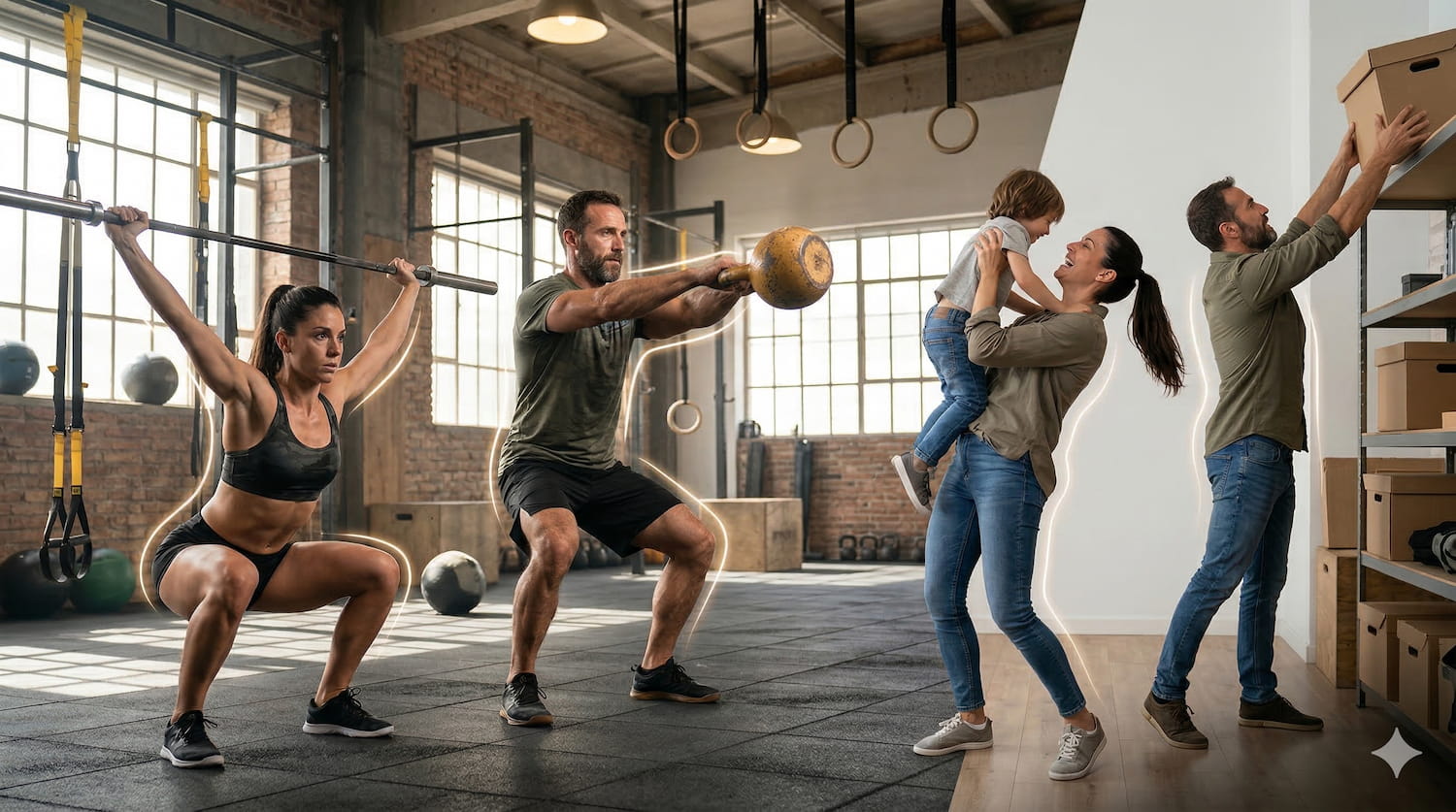
Functional training typically mimics movements we perform at home or at work (daily).
It also helps us improve how we perform those daily movements so we can reach things at the top of the cabinet, or lift or pick up our children more easily (and as mentioned earlier, without pulling our back or injuring ourselves in some way).
2.- Functional training in the fitness industry
In fitness, functional training reached such a level that most people began to advocate it as the only training method. However, in professional sports there are athletes who have been doing task-oriented training for decades, and many of the ideas and regimens of the functional fitness industry today are based on that.
How to build an athlete's body in such a way that it does not suffer injury, while at the same time improve their performance (for the sport the athlete specializes in) in a more specific and specialized manner.
For example, in alpine skiing, the skier's body must be strong, stable and capable enough to complete a high-speed run lasting 2 minutes, with high adrenaline and intensity, while also being able to land safely after jumps of around 50 meters or more.
An alpine skier's functional training includes everything: from pure strength exercises to long endurance sessions, including acrobatics, parkour, agility training, gymnastics, etc.
The goal of functional training is also to prevent possible falls or accidents, or to try to save the skier from being injured in the case of a collision.
A strong core, joints that are stable yet flexible, strong and healthy tendons, and an agile body are the result of intelligent, well-thought-out functional training that has trained an alpine skier for at least 15 years.
7 colors available
6 colors available
6 colors available
2.1 What is functional fitness training?
In the world of bodybuilding, functional training normally includes the word "fitness". This term is related to having an athletic physique, a low bodyfat percentage and well-developed muscles, while still being able to perform a variety of complex or more advanced movements.
Functional-style exercise typically, or in most cases, includes weights and other types of fitness equipment, such as resistance bands, TRX or suspension trainers, gymnastics tools, kettlebells, medicine balls and others—no machines.
Unlike fitness training where machines are used and certain muscles are isolated, we want to strengthen or focus on specific functional movements that focus on the core and its development to make it grow: control, strength and stability.
Functional fitness training and related exercises force the athlete to activate and maintain balance in the body while executing a movement that attempts to throw them off balance.
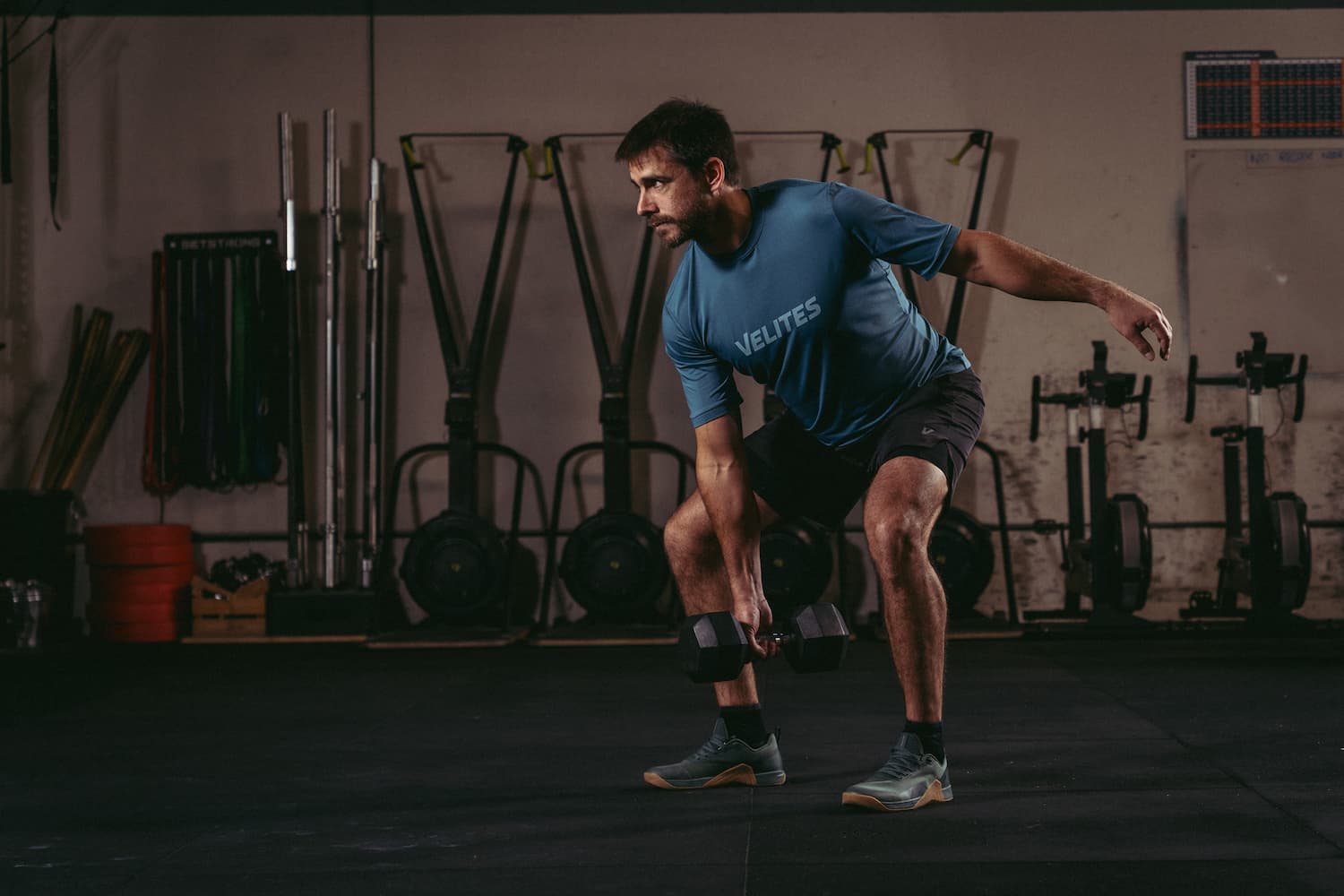
A good example are unilateral weighted exercises, such as the single-leg bent-over row, or single-leg deadlifts.
With all this in mind, functional fitness training needs to be taught by a coach or an expert who understands the technique and purpose of certain exercises.
3.- What are the benefits of functional training?
When performed regularly with correct technique and an intelligent approach, functional training offers numerous benefits.
3.1 A better life
We are not exaggerating when we say that functional training improves life. In fact, it is its main objective. Especially people who have never been active before, or the older generation trying to add some years (or decades) of quality to their life, quickly notice the benefits of exercising and moving (for health).
Better agility and improved movement patterns also enable and motivate people to engage in a variety of activities that make life more complete and enjoyable.
Higher aerobic capacity and greater strength also help an 8-hour workday feel more manageable.People who exercise regularly experience less chronic pain and fewer problems related to inactivity, such as stiff tendons and joints.
3.2 Stronger bodies that are harder to injure
Of course strength alone is not enough, but if we add the term we've been discussing—functional—we obtain a benefit that may save us from chronic pain and inconvenient injuries in the knees and lower back.
Experts often like to use the term functional strength.
The term is related to strength that coexists with stable and flexible joints. Too often people focus on developing muscle mass or reaching a certain number when they squat, but they do not pay attention to promoting mobility in their ankles, knees, hips and shoulders.
Although being strong is fine, engaging in all aspects of functional training is even better.
3.3 Having aerobic capacity and good endurance helps you feel better
Many debates often focus on developing strength and stability, while conditioning is left aside.Conditioning work can take time, and often seems monotonous and, let's be realistic, boring.
Functional training tries to make it "more fun" and engaging by using different exercises with little or no weight, combining them into sets of 3+ with the highest number of repetitions.
Take CrossFit as an example.
In general, a functional training plan should be designed in such a way that it also helps the athlete, or anyone, develop a basic level of aerobic capacity and endurance.
3.4 Better flexibility
Based on the fact that most of us spend our lives doing the same movement patterns day after day, we also develop certain weaknesses, such as stiff tendons and joints. You may think this is not important, but most chronic pain that people experience throughout their lives, such as low back pain, comes from this.
Think about how doing a 10-minute morning stretching routine, right after getting up, makes you feel better. Simply bending to try to touch the floor with flat hands has a strong effect on how you feel at that moment.
Better flexibility also contributes to better posture, improved walking mechanics and movement around the house, or around the city in general.
3.5 We improve our reaction ability and speed of movement
Agility is the ability to react and move quickly, and with ease. It is also what usually saves people from dangerous situations, or prevents them from suddenly falling. People with good agility are able to react before they hit the ground hard and save themselves by grabbing a fence, or manage to regain balance one way or another.
Agility is that important because it is related to cognitive function, and it is one of the skills we lose first as we age.
3.6 It improves posture and the way you walk
If you plan to see a physio because your posture seems weak and it hurts, and you more crawl than walk, it's very likely they will introduce you to the world of functional training.
When we talk about the external aspect, an upright posture and an active, quality way of walking are two things that matter (much more than how our body looks). Greater core stability and strength, and a more athletic body overall, will benefit your posture and help you to maintain your spine in a more upright position.
3.7 Confidence is part of the package
With all the physical and wellbeing benefits, confidence is usually a consequence of good functional training. Not only do we move and feel better, but the types and brands of functional training today bring people together and thereby encourage them to socialize and meet like-minded people.
3.8 Lower bodyfat, more muscle and a healthier body
Last but not least, we have to mention the logical consequence of taking care of yourself and of getting into functional training: less bodyfat. If you are consistent with exercise, your body will respond by gaining some muscle and losing fatty tissue. However, it also depends on what and how you eat.
But, in general, functional training is a good way to make exercising appealing while you learn new skills, recover important functions and, unknowingly, lose some kilos (or fat). We could say it's a fun, quality way to reshape your body.
4.- It's never too late to start with functional training
Although our current lifestyles force us to sit a lot, we were born to move in different ways. Even some professional athletes specialized in one discipline make their training diverse, at least during the off-season.
Simply to avoid getting bored of doing the same movement over and over again.
Regardless of the situation, it's never too late to start functional training. There will always be things we can improve. Functional training focuses on retraining the body, or at least making movements a bit easier.
If you search for something on social media, or in your community in general, you'll notice that people of all ages train to move better and to improve their health. From men and women over 70 lifting weights and even doing burpees and pull-ups, to younger generations simply enjoying time in the gym.
How to start?
Find a gym in your area that offers group or coached classes. Buy good stable shoes, find your workout clothes and, well, that's it. Then go to the gym and commit to making your body more functional.

Leave a comment
This site is protected by hCaptcha and the hCaptcha Privacy Policy and Terms of Service apply.