


Since 2007, the CrossFit Games have grown from an event on a California ranch to the world's most important fitness competition. That growth didn't happen only in the competition: the brands that invested in being present experienced it too.
The history of the CrossFit Games sponsors is, in part, the story of how CrossFit went from an underground movement to becoming a global sport with audiences of millions. And it reflects something else: how the brands that truly understand the CrossFit community are the ones that end up building something lasting.
The main sponsors of the CrossFit Games, edition by edition
| Period | Main sponsor | Category |
|---|---|---|
| 2007–2010 | No main apparel sponsor | Initial phase of the sport |
| 2011–2020 | Reebok | Main sponsor |
| 2021–2023 | NoBull | Main sponsor |
| 2024 | GORUCK | Apparel and footwear |
| 2025–2026 | Velites | Apparel, footwear, grips and jump ropes |
Reebok: ten years building the sport (2011–2020)
Reebok arrived at the CrossFit Games in 2011 when the sport was still looking for its place in the mainstream fitness world. It was the largest commitment a top-tier sports brand had made to CrossFit up to that point, and it defined an entire decade of the competition.
For ten years, Reebok apparel was synonymous with the Games. Rich Froning won his four titles with Reebok. Mat Fraser dominated five consecutive editions with Reebok. Tia-Clair Toomey won her first four titles under that sponsorship. The Reebok logo on the Games floor was as recognizable as the CrossFit logo itself.
The relationship ended in 2020, when the brand began a restructuring that moved it away from CrossFit. It was the end of an era that had decisively helped bring the Games to audiences who had never heard of the sport.
NoBull: three years of authentic community (2021–2023)
NoBull arrived at the Games in 2021 with a different proposition. It wasn't a global sports brand seeking visibility: it was a brand born directly from the CrossFit community, with products designed by and for functional athletes.
In its three years as main sponsor, NoBull consolidated its position as a reference for footwear and equipment within the community. Justin Medeiros won two consecutive titles with NoBull. Tia-Clair Toomey continued her dominance. Laura Horvath won her first title in 2023 under that sponsorship.
NoBull's exit after 2023 opened a transition period in Games sponsorship that would end up defining the new brand map of the competition.
GORUCK: a year of transition (2024)
GORUCK, a brand known in the functional fitness community for its load-bearing gear and rucking, took on the main sponsorship of the Games in 2024. It was a transitional edition, with James Sprague winning the men's title and Tia-Clair Toomey adding her seventh women's title in Fort Worth.
Velites: the first European sponsor of the CrossFit Games (2025–2026)
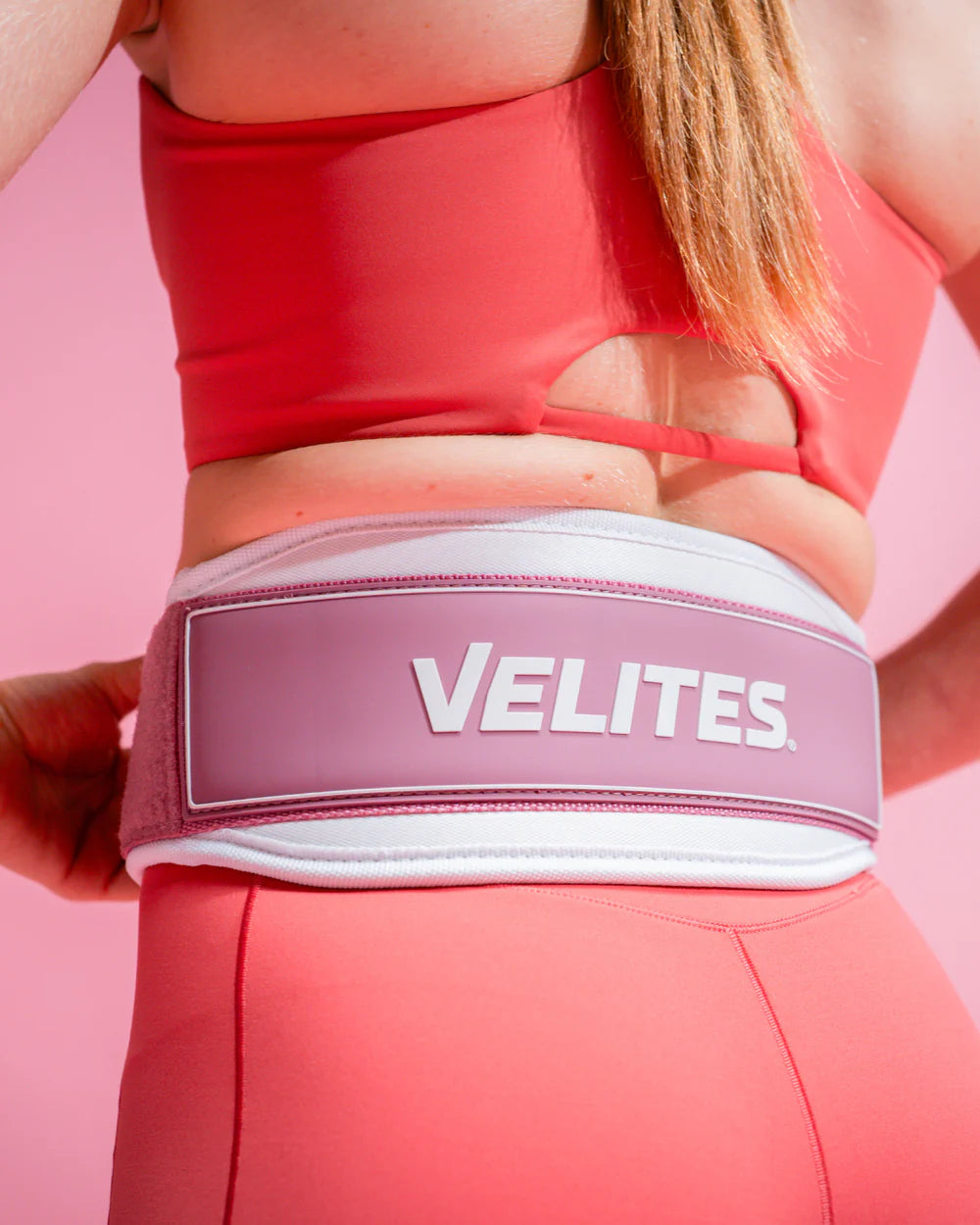
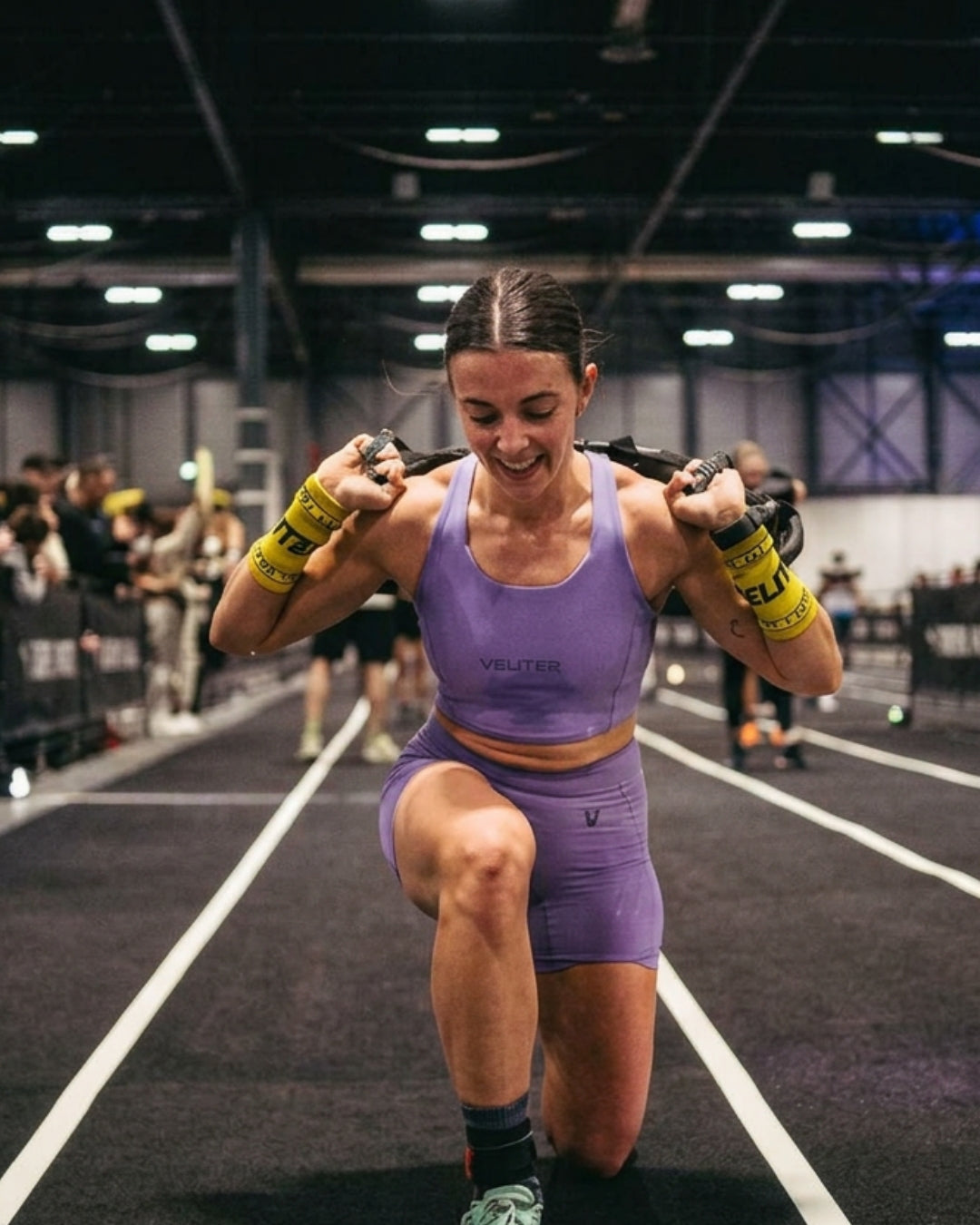
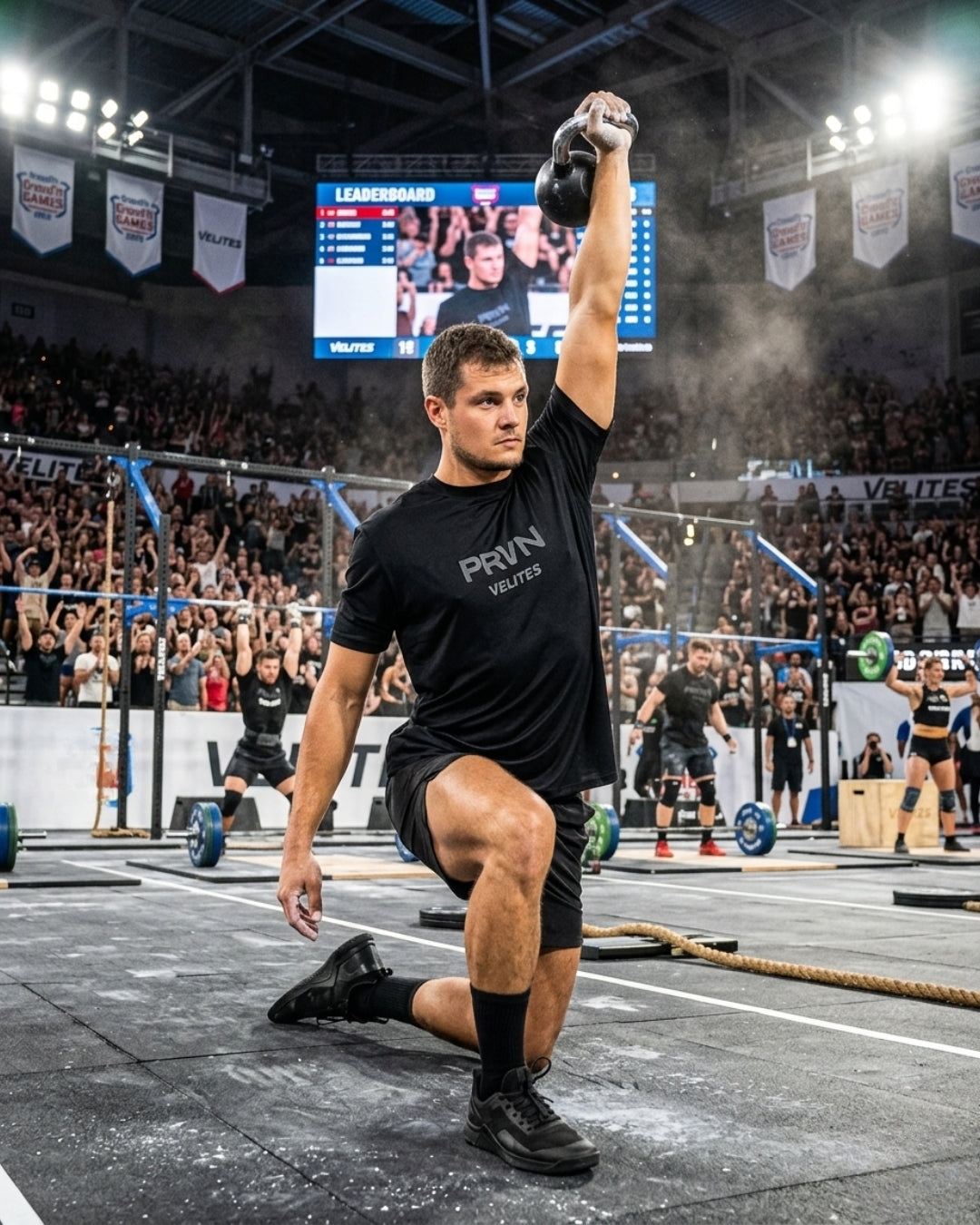
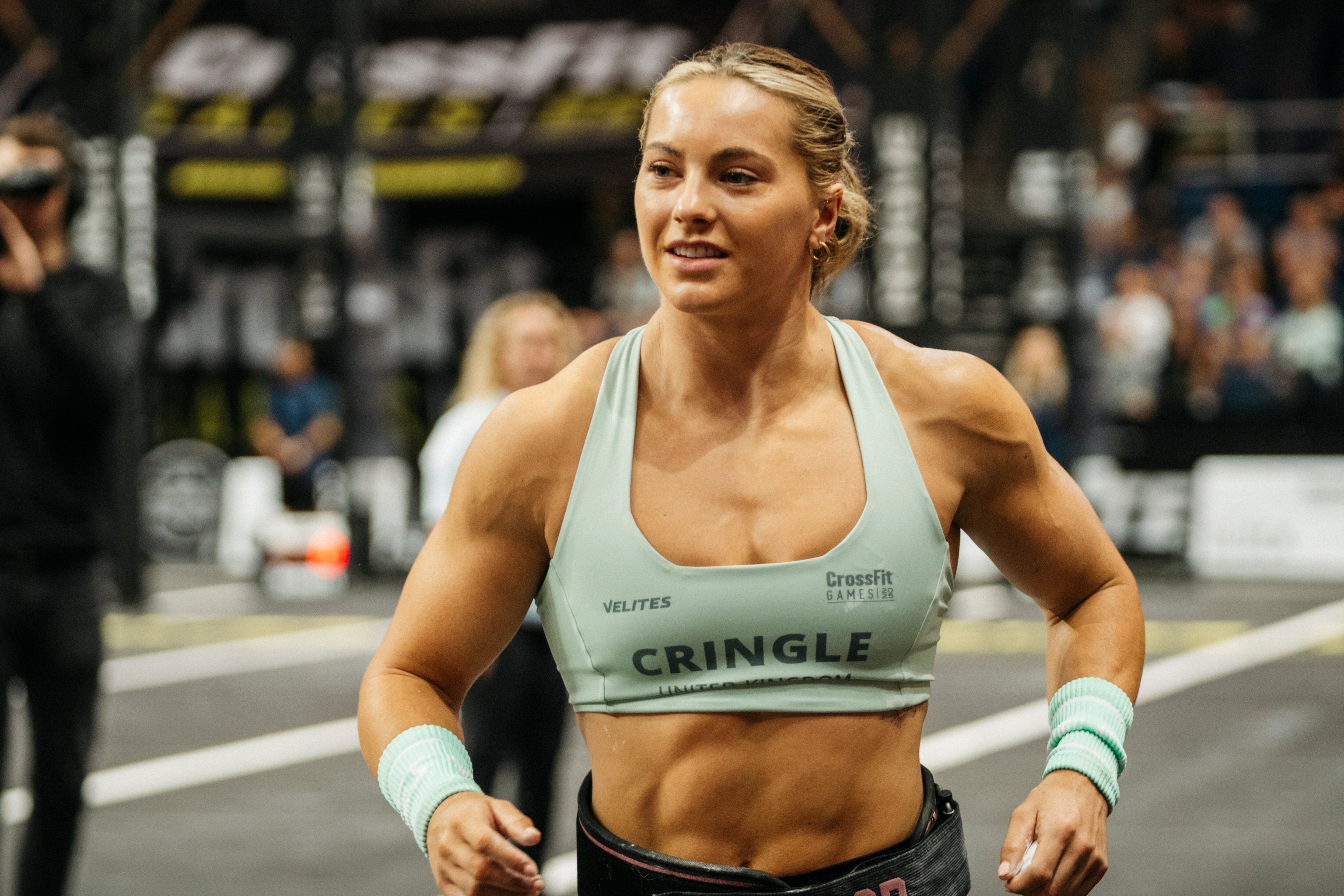
In 2025, Velites became the Official Partner for Apparel, Footwear, Grips and Jump Ropes of the CrossFit Games, becoming the first European brand to occupy that role in the competition's history. It's not just a sponsor change: it's a strategic shift for the sport.
CrossFit has grown exponentially in Europe over the last decade. More than 40% of Open participants live outside the United States. That a European brand is the Games' official partner in 2025 and 2026 reflects that shift in weight within the global community.
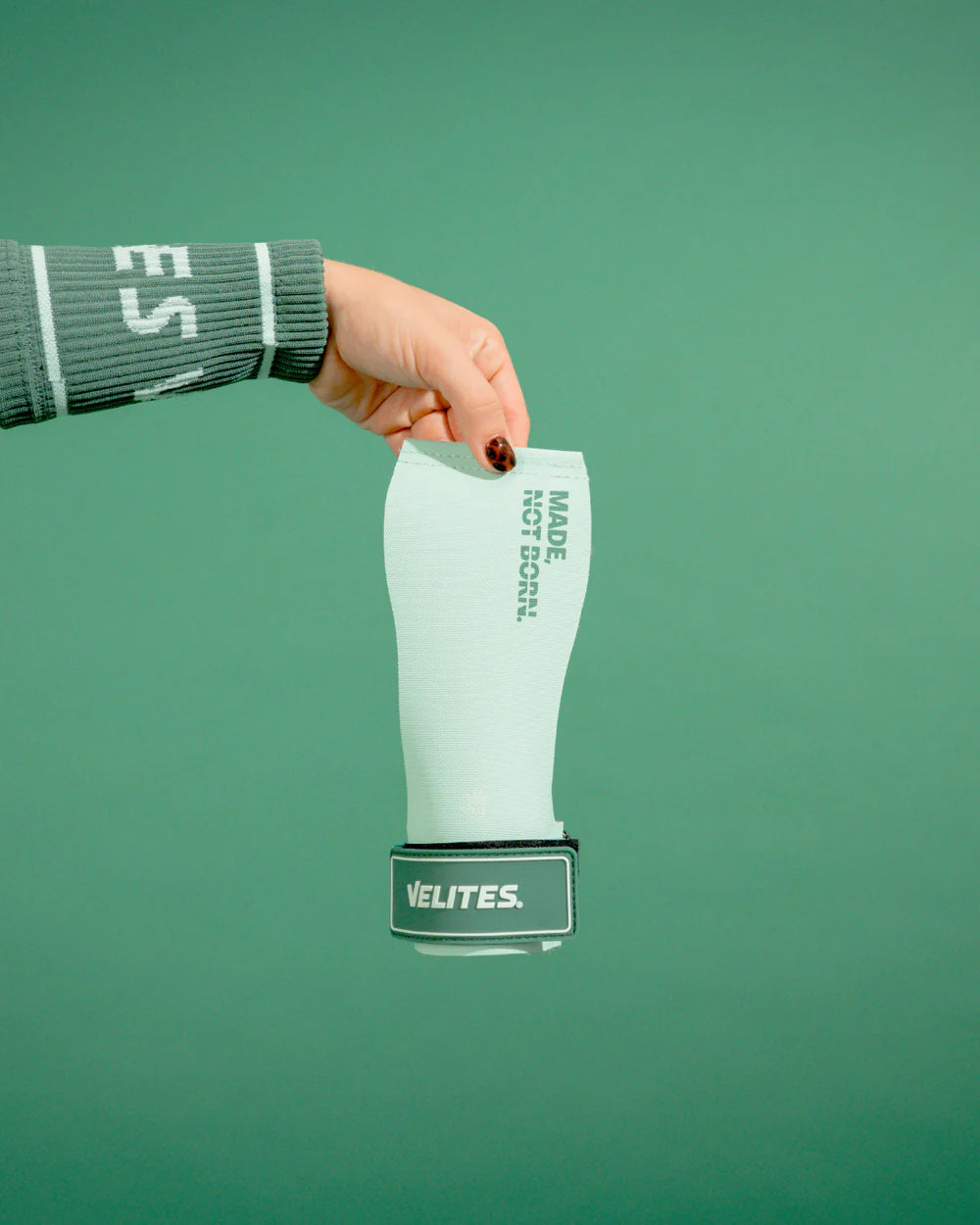
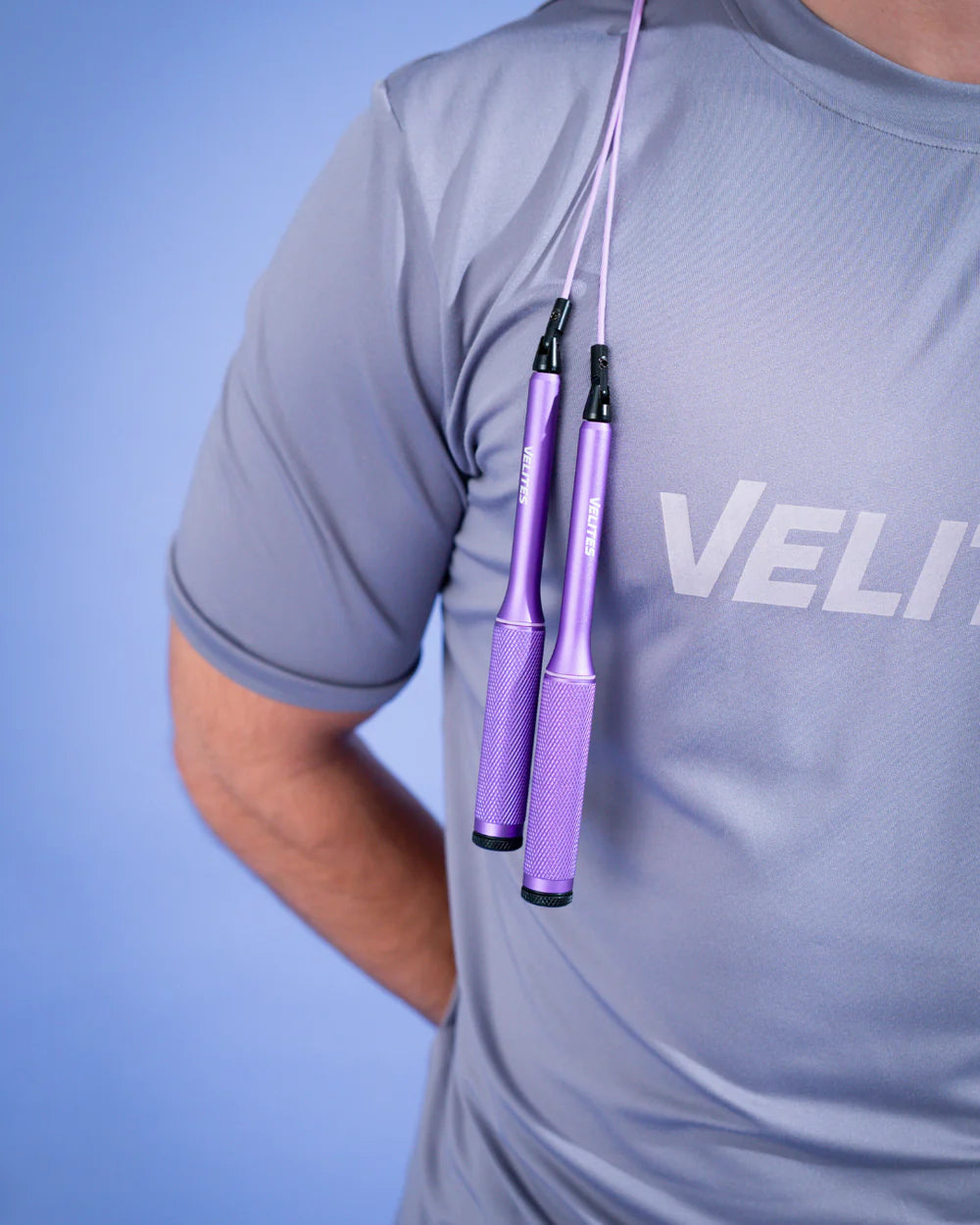
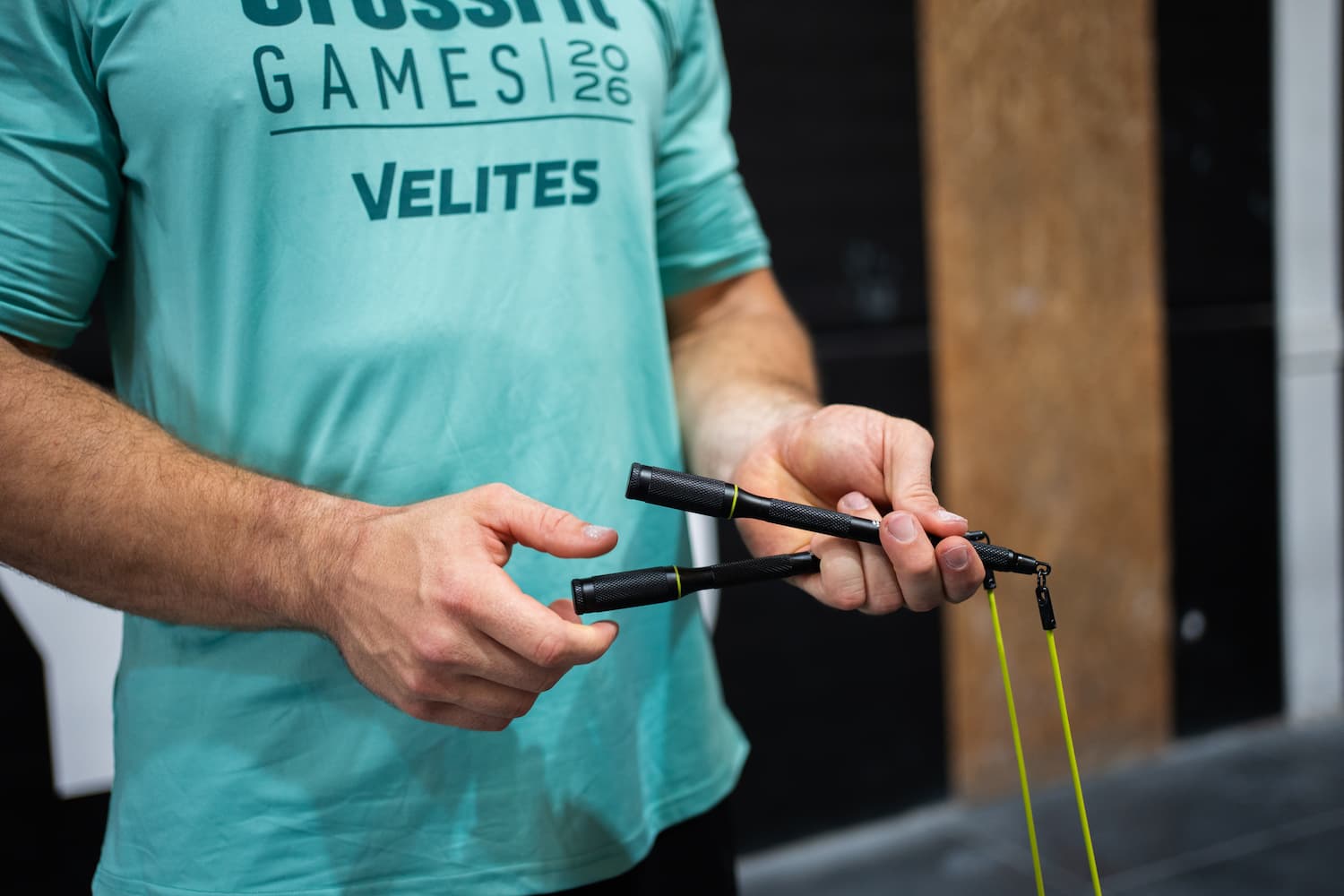
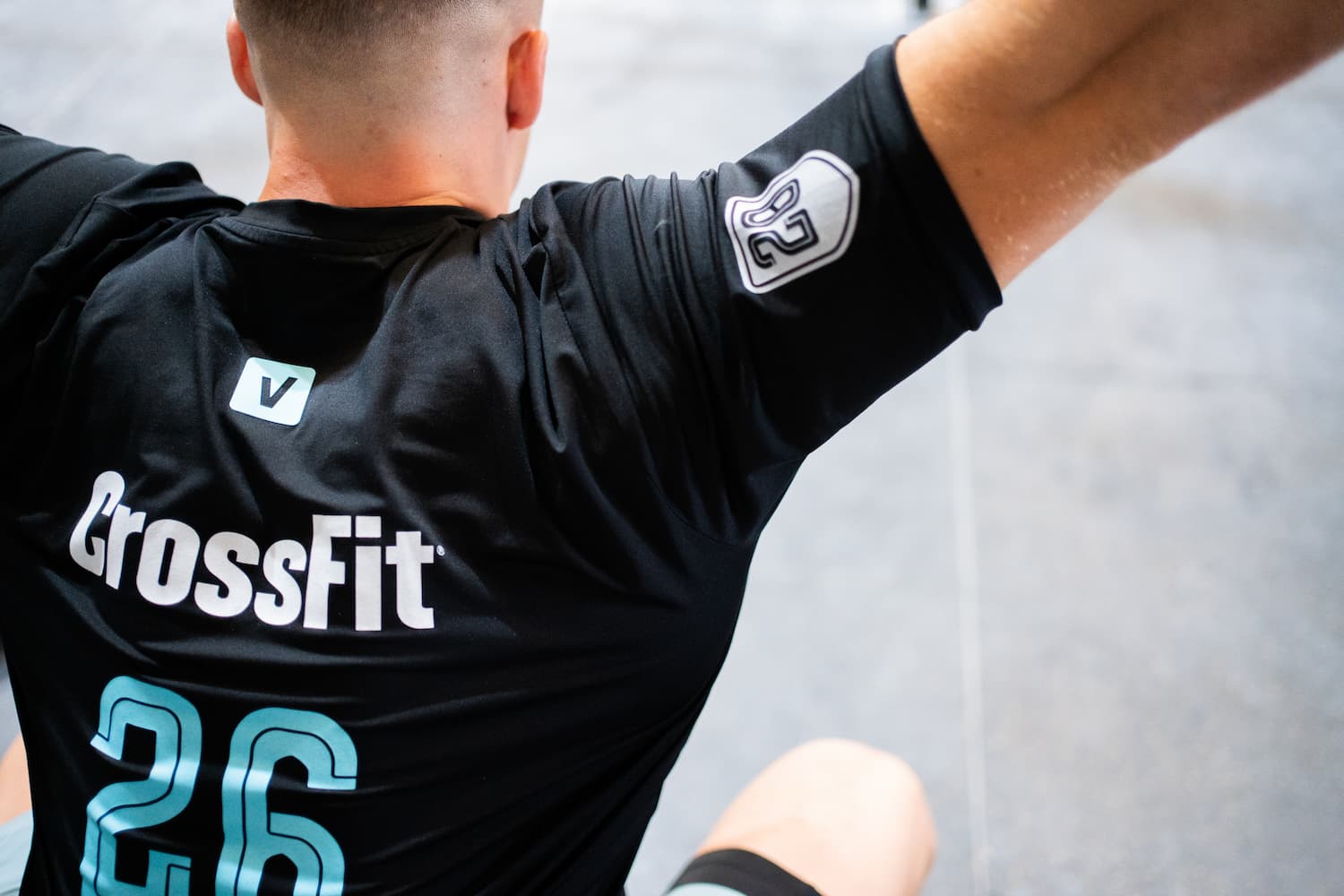
Velites is the official partner across four simultaneous categories: apparel, footwear, grips and jump ropes. All athletes competing on the Games floor are required to wear Velites apparel, and they also receive co-branded grips, jump ropes and shoes among other items.
In 2026, the 20th edition of the Games returns to California with Velites for a second consecutive year. With more preparation time, broader collections and a more complete presence on the competition floor than in 2025, they additionally include divisionals apparel: teams, masters, youth and adaptive.
What the history of sponsors says about the CrossFit Games
Each sponsor change at the Games has reflected CrossFit's evolution at that moment. Reebok arrived when CrossFit needed mainstream legitimacy. NoBull arrived when the community demanded more authentic brands. Velites arrives when the sport has matured enough for a specialized European brand to take a role previously held only by large multinational sports companies.
CrossFit is not the same sport it was in 2011. Neither are the brands that sponsor it.
See the official CrossFit Games Velites collection
Everything about the CrossFit Games 2026: dates, venue and qualified athletes

Leave a comment
This site is protected by hCaptcha and the hCaptcha Privacy Policy and Terms of Service apply.