





XENOM Event 002 arrives right after the snatch, with the body still switched on. It’s the first gymnastics event of the weekend and the first that begins to separate athletes who have trained the movements correctly from those who haven’t.
An ascending ladder of wall walks and rope climbs with an 8-minute time cap. The opening rounds feel manageable. The third is a different story.
In this post we cover the full format, the official movement standards, how many points you can score by division, how to plan the 8 minutes for both Individual and Pairs, and what equipment to bring to deliver your best performance.
What XENOM Event 002 is
Event 002 is an 8-minute AMRAP with an ascending ladder of wall walks and rope climbs. The format is as follows:
- Round 1: 2 Wall Walks + 1 Rope Climb
- Round 2: 4 Wall Walks + 2 Rope Climbs
- Round 3: 6 Wall Walks + 3 Rope Climbs
- ...and so on, adding 2 Wall Walks and 1 Rope Climb per round
Scoring is the total reps completed within the 8-minute time cap. Each wall walk and each rope climb counts as one rep.
The main difference between divisions is not volume but rope height:
- Elite and RX: Rope Climb at 14 ft (4.27 m): you must touch the designated beam with any part of the hand
- Compete: Rope Climb at 10 ft (3.05 m): you must touch or exceed the tape mark at that height
That height difference is more decisive than it appears: climbing to 14 ft demands more pull, more grip and more time per rep than reaching 10 ft. That’s why Compete benchmarks are higher in reps the shorter rope allows a faster pace.
Official movement standards
Knowing the standards before competing is essential. A rep that does not meet the criteria does not score, and in an 8-minute AMRAP every rep matters.
Wall Walk
Start and finish position: the athlete must be lying face down with chest, thighs and feet in contact with the floor, and both hands touching the floor tape line at the same time.
During the movement: the hands must remain on the floor tape line until the feet are on the wall. From there the athlete walks the feet up the wall while bringing the hands toward it. At the top, any part of both hands must touch the 30-inch tape line (the one near the wall) at the same time before beginning the descent. On the way down, the feet must keep contact with the wall until both hands have returned to touch the floor line.
Setup measurements:
- Floor line: 55 inches (140 cm) from the wall for women / 60 inches (152 cm) for men
- High line (near the wall): 10 inches (25 cm) from the wall, 30 inches long and maximum 2 inches wide
Rope Climb 14 ft (Elite and RX)
Start position: standing on the floor with both feet in contact with the ground.
A rep is valid when: any part of the hand clearly touches the designated beam. Touching the black thimble is not allowed.
During the movement: you may jump to start the ascent and use the legs in any way to assist the climb. Once the beam is touched, the athlete may descend as they wish.
Rope Climb 10 ft (Compete)
Start position: standing on the floor with both feet in contact with the ground.
A rep is valid when: any part of the hand clearly touches the tape mark at 10 ft or above it.
During the movement: you may jump to initiate the ascent and use the legs in any way. Once the mark is reached, the athlete may descend as desired.
How many points it's worth and EPI benchmarks by division
Event 002 scores by total reps completed. The more reps within the time cap, the more EPI points. The 1,000-point benchmark varies by division and gender.
Individual
| Division | Men | Women | Rope height |
|---|---|---|---|
| Elite | 76 reps | 67 reps | 14 ft |
| RX | 76 reps | 67 reps | 14 ft |
| Compete | 85 reps | 77 reps | 10 ft |
Pairs
| Division | Men | Women | Rope height |
|---|---|---|---|
| Elite | 87 reps | 79 reps | 14 ft |
| RX | 79 reps | 79 reps | 14 ft |
| Compete | 95 reps | 87 reps | 10 ft |
An important detail: Elite and RX share the same points benchmark but compete with the same rope height (14 ft). What truly differentiates these two divisions are the general technical standards of the event and the loads across the rest of the competition, not the scoring ceiling in this specific event.
What level you need in each division
Elite division
Reaching 76 reps (men) or 67 reps (women) in 8 minutes at a 14 ft rope is a high level. We’re talking about athletes who complete 3 full rounds (which total 18 wall walks + 6 rope climbs = 24 reps) and continue into the fourth without grip or shoulders holding them back. It’s an athlete profile that trains gymnastics seriously and has rope climbs highly automated.
RX division
The benchmark is the same as Elite in points, but the athlete profile differs. A competitive RX athlete in this event moves between 50-70 reps, which equates to completing 2-3 full rounds with some progress into the next. The key here is consistency: reaching round 3 without having depleted your shoulders in round 1.
Compete division
With the rope at 10 ft the pace per rep is faster, which is why the benchmark is higher in reps. A Compete athlete who manages pace well and has a minimal rope-climb technique can accumulate a very competitive number of reps. Here effort management weighs more than brute power.
Strategy for Individual: how to manage the 8 minutes
The most common mistake: starting too fast
The first two rounds of Event 002 are deceptive. 2 wall walks and 1 rope climb seem trivial, and 4 + 2 aren’t intimidating either. The problem is many athletes start at a pace they can’t sustain and reach round 3 with their shoulders already loaded. In an ascending ladder the accumulated volume grows quickly round 3 is already 6 wall walks and 3 rope climbs, and round 4 would be 8 and 4. That’s a lot of work together if you arrive fatigued.
The strategy that works
Set a pace from the first wall walk that you can maintain through round 3. That means going slower than your body demands at the start. A controlled transition between wall walk and rope climb, without rushing, is worth more than a spectacular first round and a stopped third.
Grip and shoulder management
Wall walks load the core and shoulders. Rope climbs load the grip and shoulders as well. Fatigue accumulates in the same area with both movements. If you notice grip starting to fail on rope climbs, it’s a sign the pace has been too high. Breathe between movements, not between rounds.
If you hit the time cap
If you are going to hit the time cap, prioritize finishing the rope climbs over the wall walks. Rope climbs weigh more in the EPI because they are more demanding; a half-completed rope climb does not score, so if you must choose where to put energy in the final seconds, put it into completing the rope.
Strategy for Pairs: Split Work explained
In Pairs the format is the same but with Split Work: the two athletes split the movements within each round. This completely changes the strategy.
How to split the movements
The most logical distribution is that each athlete specializes in one of the two movements according to their strength. If one of the two climbs the rope better and the other has stronger wall walks, it makes sense for each to focus on their strong movement throughout the AMRAP. This maximizes pace and minimizes slow transitions.
Where time is won and lost
In Pairs time is lost in transitions. The athlete finishing their movement must be ready so the other can start without waits. Verbal communication between rounds is key: warn when you’re about to finish the last rep so the partner is already in position.
Pace and communication
The pair’s pace is set by the slower movement. If one of the two is slower on rope climbs, it’s useless for the other to hammer the wall walks flat out and then wait idle. Adjust pace between the two from the first round and maintain communication throughout the AMRAP.
How to train it: specific programming
Base work: wall walks and rope climbs separately
Before training the ladder you must have both movements well established separately. For wall walks: sets of 5-8 controlled reps focusing on position (hands on the line, hands’ contact at the top, descent with feet on the wall). For rope climbs: work in sets of 3-5 ascents with sufficient rest between them, prioritizing foot technique to save grip.
Ladder training
Once the movements are solid, you must practice the specific ascending ladder format. Start with short versions: 2+1 / 4+2 / 6+3 with rest between rounds, and gradually reduce rest until performing the full AMRAP. The objective is for the body to learn to manage the accumulated ladder fatigue, not just to execute the movements.
Simulate competition conditions
Train with the same equipment you’ll use in Dallas. Shoes make a difference on rope climbs and wall walks performed in a technical tee feel different than when done in a cotton shirt. The more similar training conditions are to competition, the fewer surprises on event day.
Equipment that makes a difference
Shoes for Rope Climbs
In rope climbs the shoe is the most important factor after technique. You need a sole with real grip on the toe to anchor with the feet without losing energy on each ascent. The Hybrid 1.0 offer stability and lateral support for the combined work of wall walks and lifts. The Minimal have a reinforced toe specifically for this type of movement. Choose according to your habitual climbing technique.

12 colors available

4 colors available
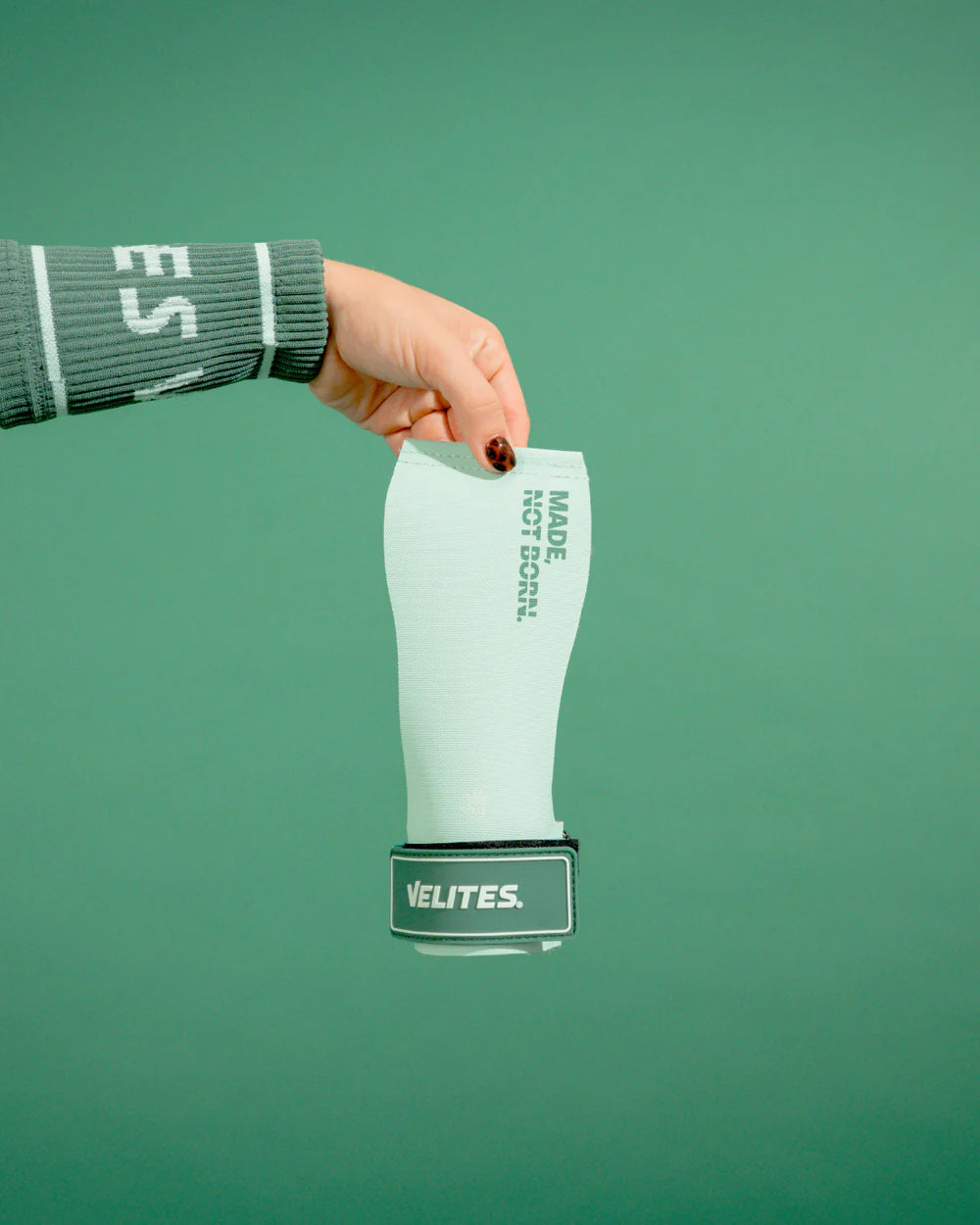
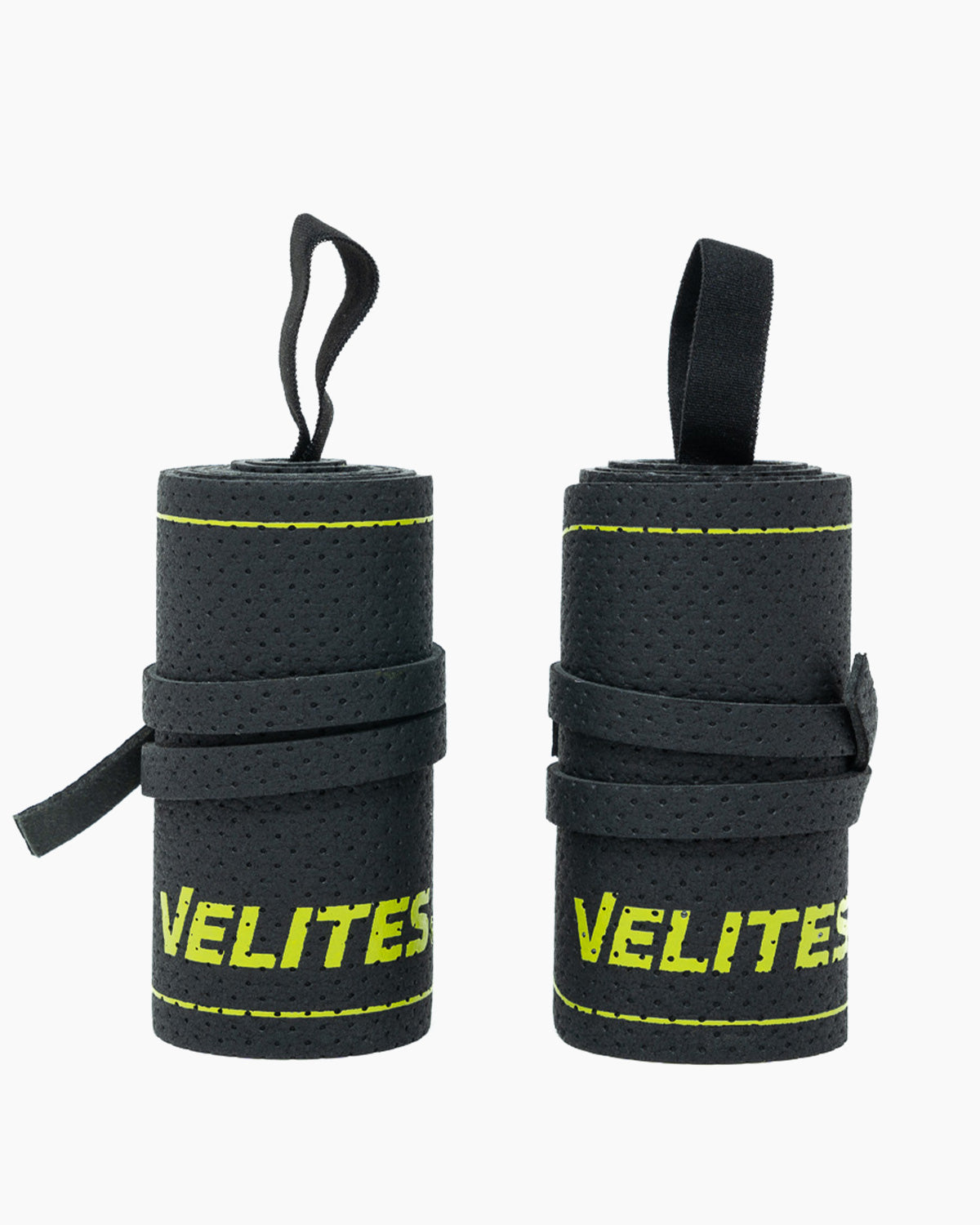
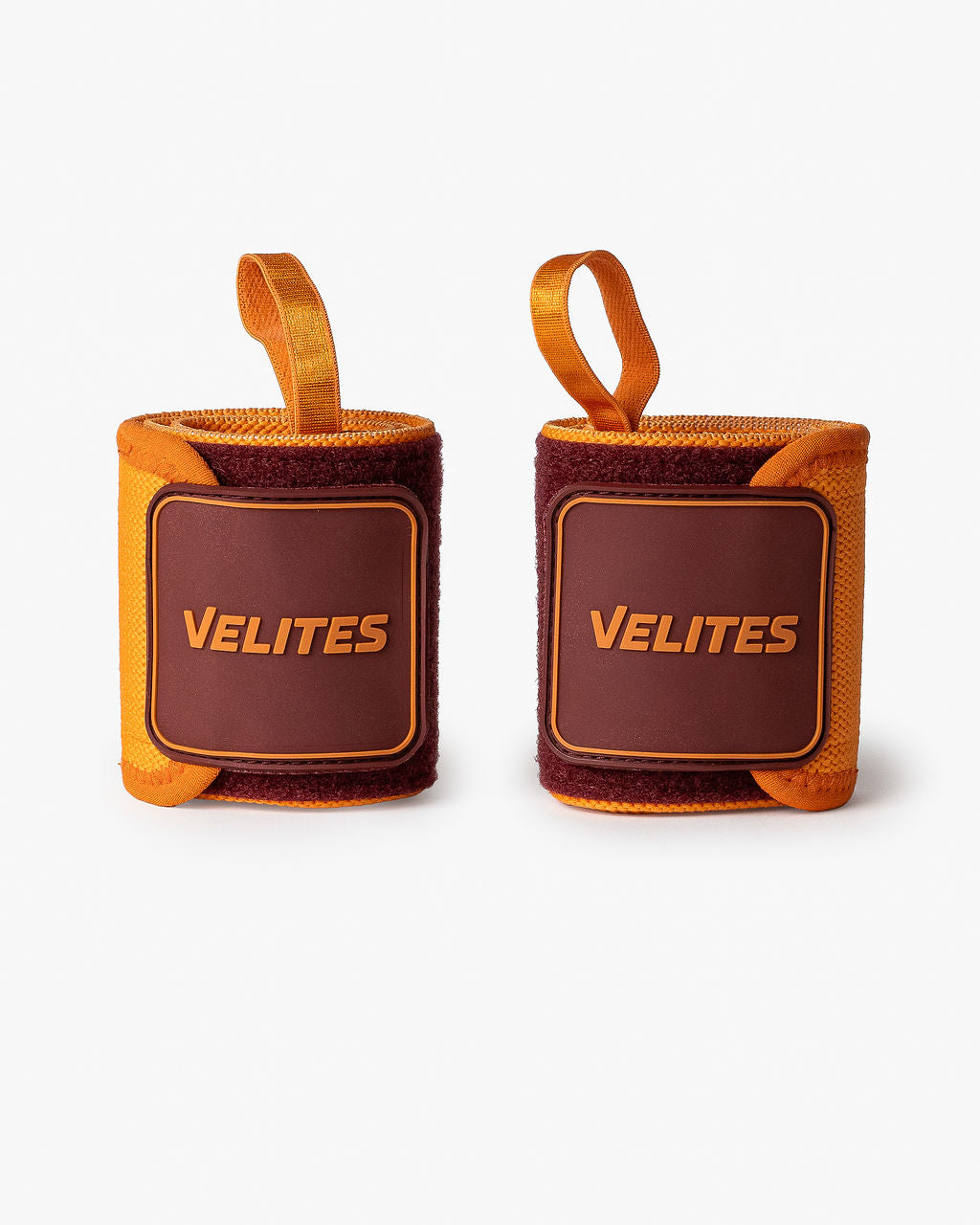
Muñequeras Velites
Wall walks load the wrists on every rep in full extension supporting the body weight against the wall. In an ascending ladder where volume increases round by round, that accumulated joint work becomes noticeable. The muñequeras Velites give the support you need to keep position clean on every rep without wrists becoming the limiting factor.
4 colors available
5 colors available
Colección HOLO
Wall walks involve the shirt rubbing the floor on every repetition. A fabric that snags, rides up or doesn’t breathe well is a real problem in an 8-minute event with that contact volume. The colección HOLO de Velites is engineered to move without restriction and withstand sustained effort in heat exactly what Event 002 asks for in June in Texas.
Calculate your EPI in Event 002
Before arriving in Dallas, there’s one question you need to answer: How many reps can you put up in 8 minutes in this format?
The official XENOM calculator lets you input your reps and see exactly how many EPI points you would get in Event 002. It’s the most direct way to know whether this event will be a strength or a hole in your total EPI.
Calculate your EPI in the official XENOM calculator
One tip: run a test session with the real format (ascending ladder, 8 minutes, time cap) before the event. Enter the result in the calculator and you’ll have a real reference of where you are. If you like the number, maintain it. If not, you know what to work on.
How many reps do you get in Event 002? And if you want to show up in Dallas with the right gear, check the Velites kit for XENOM.



Leave a comment
This site is protected by hCaptcha and the hCaptcha Privacy Policy and Terms of Service apply.