




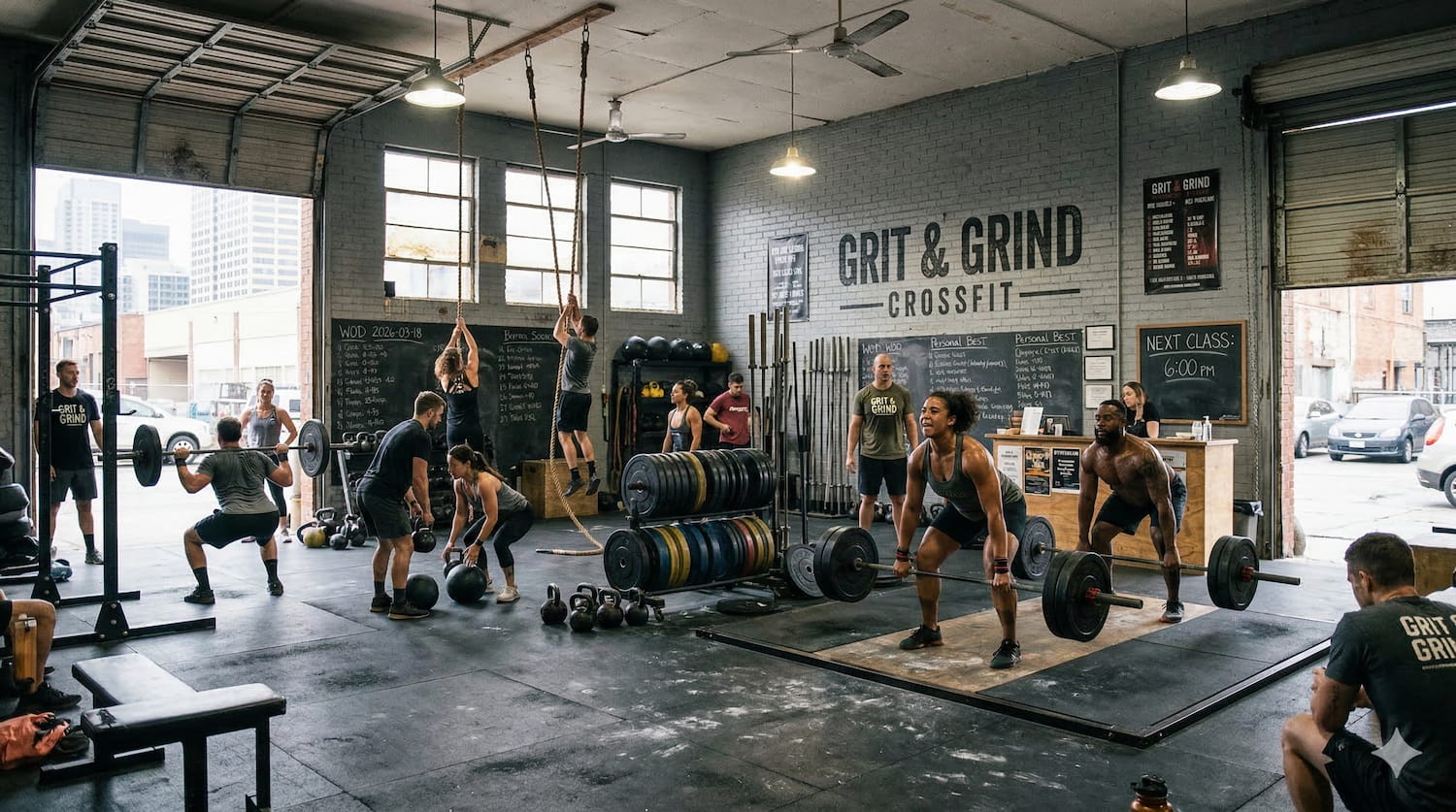
Setting up a CrossFit box seems easy, right? You type into Google "How to affiliate", make up a name, find a place, and that's it. If only it were that simple.
Before opening your CrossFit box, think it through: you are not just setting up a sports facility, you are building a business.
Being the owner and head coach looks great on social media, but that doesn't guarantee profitability. You need to be a patient entrepreneur with a long-term plan (and plans B, C and D). A business isn't built in a day; it requires wise decisions, empathy, and a lot of patience.
Nowadays people don't line up at the door by inertia. They look for recommendations, check reviews on social media, and, finally, ask for a free trial class. How do we start?
Step 1: Start with yourself and your personal brand
Your marketing starts on your personal accounts (Instagram, LinkedIn, etc.). What you share says a lot about your personality and the attitude you'll have with clients. Don't let your online behavior ruin your reputation before you start.
Step 2: How to choose the best location
Visit affiliate.crossfit.com to analyze your area. How many boxes are there? Are they successful? The location must be easily accessible:
- Public transport: No more than 5-10 minutes' walk from the stop.
- Car: Make sure there's plenty of free parking.
Step 3: Facility requirements
Hire an engineer to assess the efficiency of the space and a lawyer to review the lease agreement. Clients value:
- Separate changing rooms, lockers, and clean showers.
- Good thermal insulation.
- Safe training space without risk of collisions.
- Designated areas for warming up, stretching, and an office.
Step 4: Permits and affiliation licenses
To be an official affiliate you need: application, insurance, payment of the fee, and the license agreement. It is mandatory to have the certificate CrossFit L1. Also, comply with local business registration and health regulations.
Step 5: Equipment: what do you actually need?
Don't buy everything at once. Research suppliers and ask other coaches. If the budget is tight, start with:
- Weightlifting bars (men's, women's, and beginner bars).
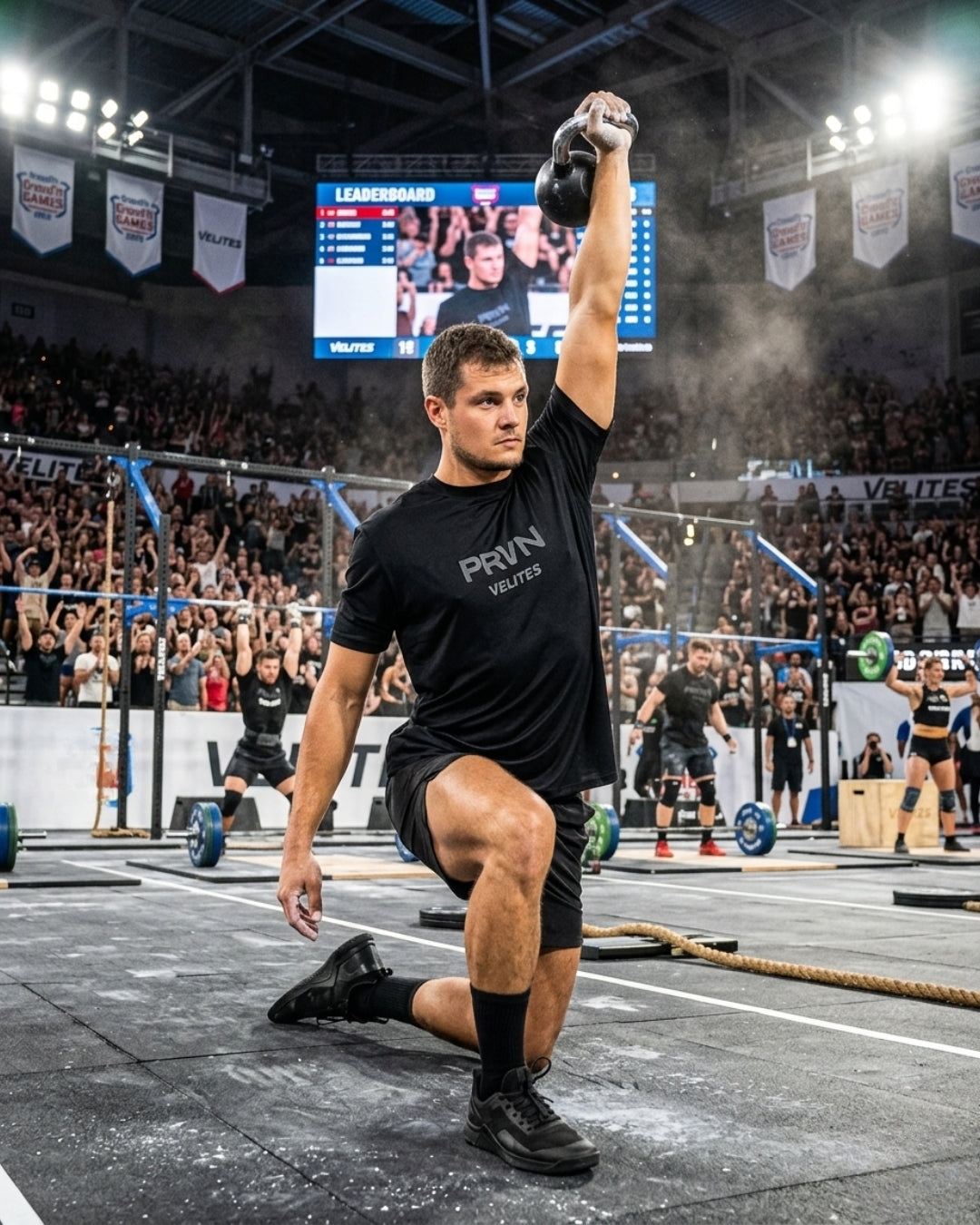
- Kettlebells (8-20 kg are the most versatile).
- Stable rig for racks and pull-ups.
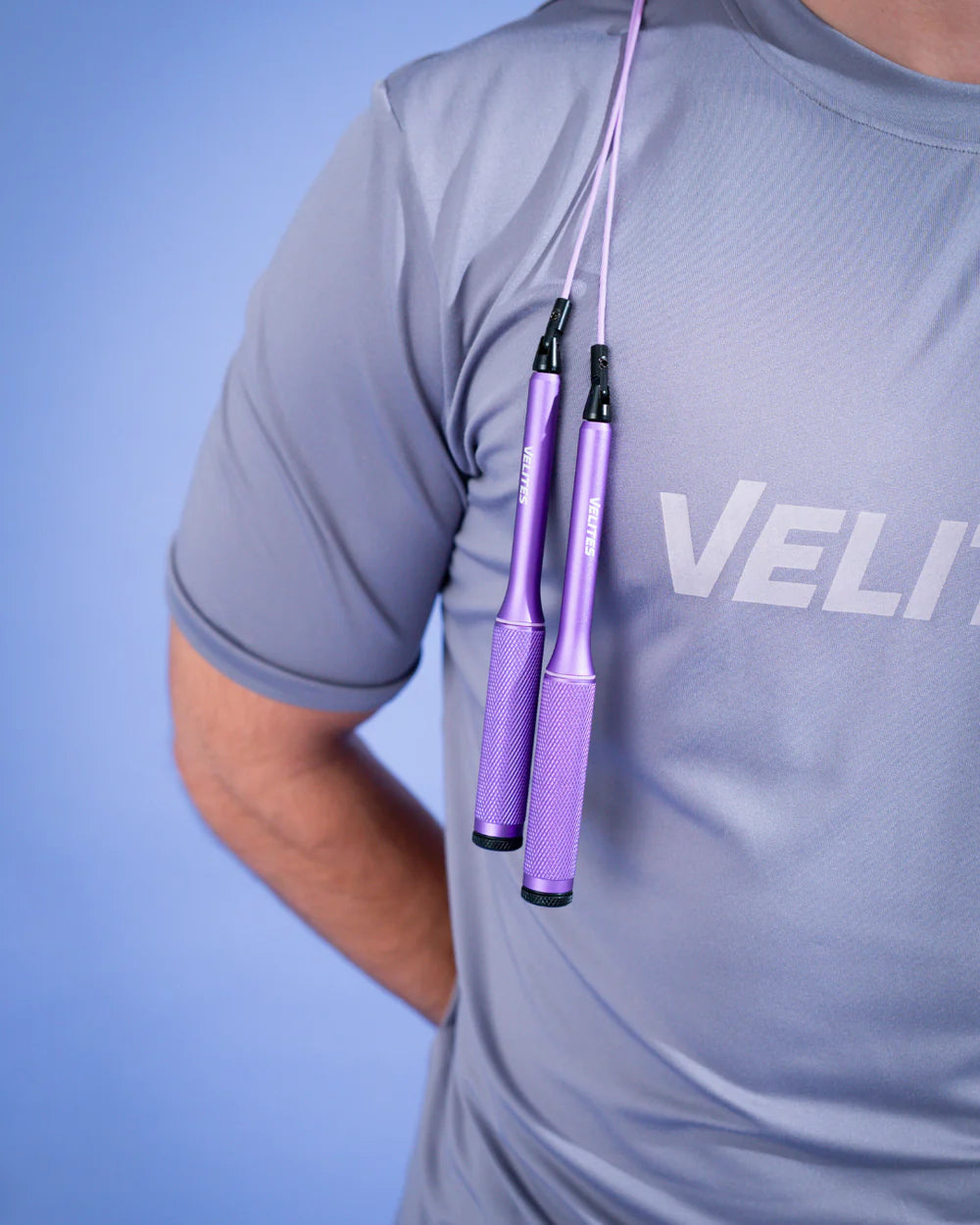
- Quality rubber flooring and professional jump ropes.
Step 6: Staff and professionalism
The biggest problem in the sector is coaches leaving to set up their own box. Listen to your team, set clear rules, and look for people with a good client-oriented attitude, not just certifications.
Step 7: Differentiation and marketing
Even if you're the first, you'll soon have competition. Your best advertising is word of mouth. Happy clients sharing their achievements on social media are worth more than any ad.
- Website: Simple and minimalist.
- Management: An easy-to-use software to book classes and track progress.
- Image: Make your box look accessible to everyone, not just elite athletes.
Step 8: Community is the core
You are a leader and your health matters. If you're always injured, what example do you set? As Greg Glassman says: "A clean bathroom is a symbol of how much you take pride in your business". Caring for your clients is what will really make you succeed.

Leave a comment
This site is protected by hCaptcha and the hCaptcha Privacy Policy and Terms of Service apply.